Leland is known for its shoreline beauty and natural landscapes, but its historical depth shapes much of its present-day character. The town preserves important landmarks connected to maritime commerce, Indigenous history, and early settlement. Exploring historical sites in Leland, MI offers insight into the region’s cultural identity and the ways the community continues to honor its past.
This guide outlines the most significant sites and explains what makes each one meaningful to understanding Leland’s history.
Fishtown
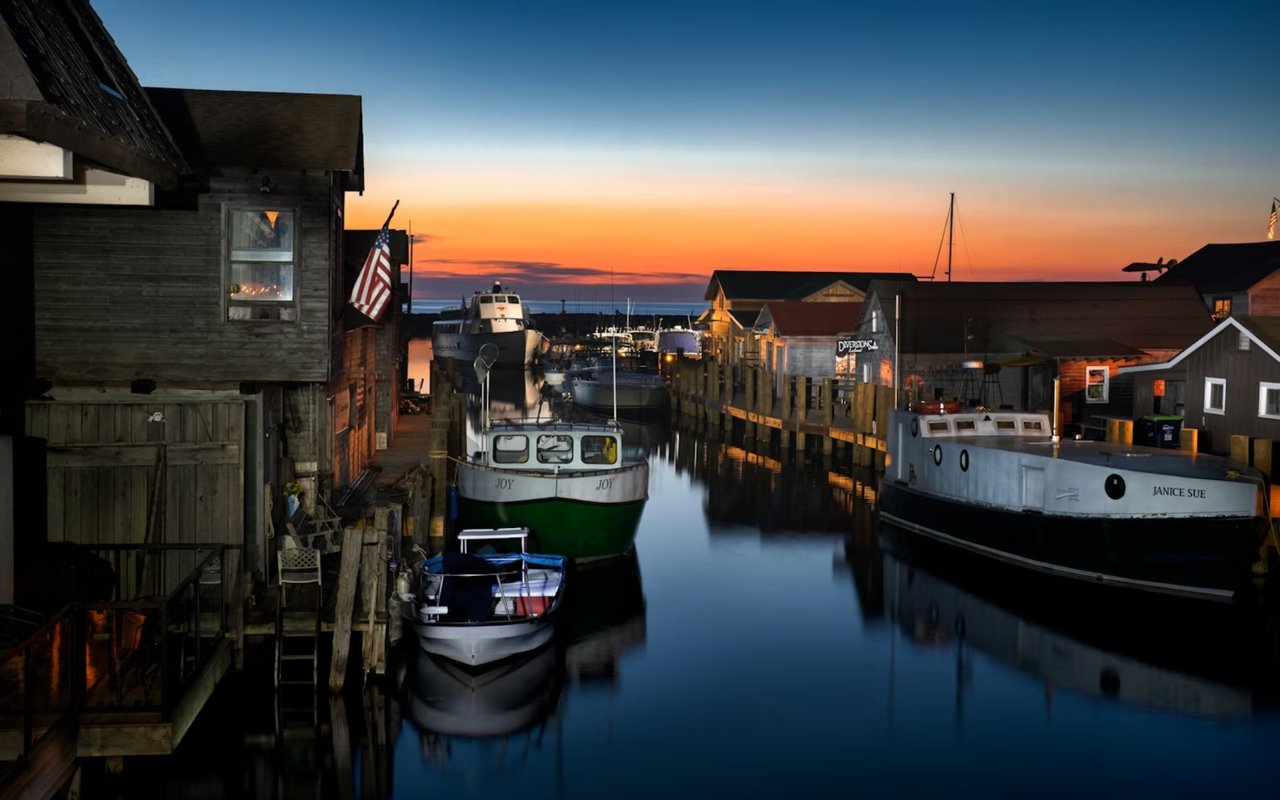
Fishtown stands as one of the most significant historical sites in Leland, MI, functioning as a preserved commercial fishing village that dates back to the mid-1800s. The district includes weathered fishing shanties, smokehouses, and docks that continue to operate as part of an active commercial fishing environment. Visitors can observe fishing tugs such as the Joy and Janice Sue preparing for daily runs, maintaining a tradition that has existed for generations.
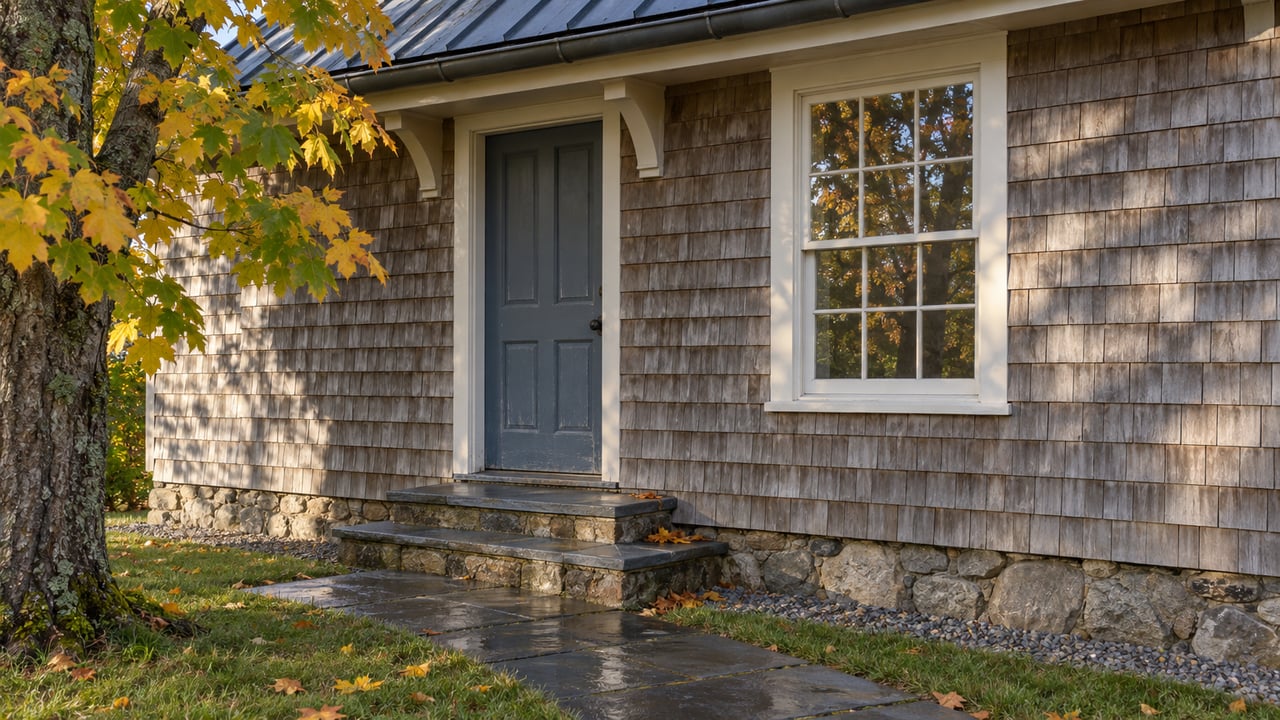
Several wooden shanties now house small businesses, but the structures themselves remain historically accurate, including original cedar shake siding, narrow doorways, and low ceilings intended to conserve heat. The village’s proximity to the Leland River helped define the town’s economic identity, and ongoing preservation efforts ensure that the site's working character remains intact.
Leland Historical Society Museum
The
Leland Historical Society Museum is located within the Munnecke Room of the Leland Township Library building. This dedicated exhibition space contains archival documents, photographs, and preserved objects that trace the region’s development. Displays often highlight early lumbering operations, the evolution of commercial fishing, and the stories of local families who shaped community life.
A notable portion of the museum’s collection includes maps and navigational charts that document the shifting shoreline and changing patterns of boat traffic. The museum also features personal artifacts from early settlers, such as household tools, clothing, and ledgers. Temporary exhibits rotate throughout the year, creating ongoing opportunities for residents to deepen their understanding of Leland’s heritage.
The Leland River Dams and Historic Salmon Fishery
The Leland River has long influenced settlement patterns and local industry. Its series of dams supported early milling operations and later played a significant role in salmon migration and fishing practices. Although modern regulations have changed how the river is used today, remnants of historic infrastructure remain visible along its edges.
Walking paths offer clear views of foundational stonework and preserved segments of former mill sites. The lower river channel, where commercial and sport fishing once intersected, continues to provide a glimpse into the waterway’s long-standing economic significance. The river’s placement between Lake Leelanau and Lake Michigan made it central to transportation, trade, and fisheries that shaped the town’s identity for more than a century.
Whaleback Natural Area and Its Geological History
The
Whaleback Natural Area holds historical significance due to its distinctive glacial formation and long-term use as a navigational landmark. This narrow ridge overlooks Lake Michigan and was shaped by ancient ice movement thousands of years ago. Its vantage point gave early sailors and traders a reliable visual marker when approaching the Leland area.
The terrain includes old-growth hardwoods, exposed bedrock, and dramatic elevation changes that show the geological story of the peninsula. Interpretive signage throughout the trail system outlines how Indigenous communities and early settlers used the ridge as a reference point when traveling between settlements. Today, the lookout platform offers panoramic views that help illustrate the area’s historical reliance on natural landforms for direction and orientation.
St. Mary’s Church and Cemetery
St. Mary’s Church in Lake Leelanau represents an important chapter in regional religious and cultural history. Built in the 19th century, the church served immigrant populations who arrived to work in agriculture, fishing, and small-scale manufacturing. The architecture reflects traditional European influences adapted to local timber resources, featuring wood framing, pointed arch windows, and understated decorative trim.
The adjacent cemetery contains headstones dating back more than a century, with inscriptions that reflect the heritage of early families from Bohemia, Germany, and Ireland. Much of the cemetery layout remains unchanged, preserving its original pathways and plot arrangements.
Fountain Point Resort
Fountain Point Resort sits on the eastern shore of Lake Leelanau and stands as one of Michigan’s oldest continually operating summer resorts. Established in the late 1800s, the property retains many of its original architectural elements, including the large white main lodge, screened porches, and guest cottages, all of which are arranged around the grounds.
The resort functioned as a retreat for travelers seeking clean air and lakeside relaxation long before the area became a modern tourist destination. Many furnishings and interior layouts remain historically consistent, giving the site a strong connection to its origins. The grounds also feature a natural spring that has been considered a valuable resource throughout its history.
Grand Traverse Lighthouse
Located at the tip of the Leelanau Peninsula, the
Grand Traverse Lighthouse served as a critical navigational point beginning in 1852. Although it sits north of Leland, its operational history influenced boat travel and shipping routes connected to the town. The lighthouse guided vessels traveling through the Manitou Passage, a corridor that saw significant commercial activity during the logging and fishing eras.
Today, the lighthouse is restored to resemble its early 20th-century appearance, featuring period-appropriate furnishings, interpretive exhibits, and access to the light tower. Its presence illustrates the region’s long reliance on maritime infrastructure and helps contextualize Leland’s history within a broader network of coastal trade.
Work with the Experts in Leland
Leland offers an unmatched opportunity to explore history through preserved buildings, natural landmarks, and working waterfronts. Buyers interested in calling Leland home gain access not only to natural beauty but also to a meaningful sense of place supported by these enduring historical resources.
Leelanau Living Realty Group provides expert guidance for individuals seeking homes that reflect the character and heritage of this remarkable community.